How Preparation Leads to Success
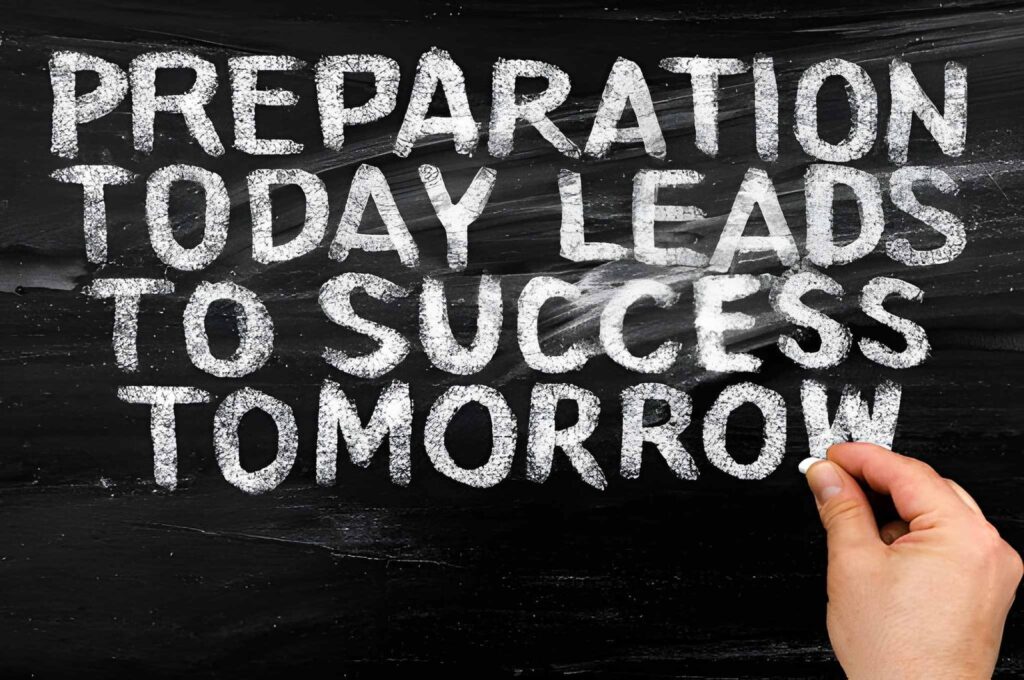
Success is often described as the result of talent, hard work, or good fortune. While all these factors can play a role, preparation is one of the most powerful foundations for achieving meaningful goals. People who prepare themselves are usually better equipped to recognize opportunities, handle challenges, and make confident decisions when the right moment arrives.
Preparation does not guarantee that everything will go exactly as planned. Life is unpredictable, and unexpected problems can appear at any time. However, being prepared gives us a stronger starting point. It helps us respond to difficulties with greater confidence instead of feeling completely overwhelmed.
Preparation Creates Confidence
One of the most important ways preparation leads to success is by building confidence. When we know that we have practiced, researched, and planned carefully, we are more likely to trust ourselves.
Consider a student preparing for an important examination. Studying the night before may provide some information, but regular preparation over several weeks allows the student to understand the subject more deeply. As the exam approaches, the student feels more confident because they know they have invested time and effort.
The same principle applies to presentations, job interviews, competitions, and other important situations. Preparation reduces uncertainty and gives us a sense of control.
Preparation Helps Identify Opportunities
Opportunities do not always arrive with a clear announcement. Sometimes, they appear unexpectedly, and only prepared people are ready to take advantage of them.
Imagine someone who has spent months developing a useful skill. When a new project or career opportunity becomes available, they may already have the knowledge needed to participate. Another person might notice the same opportunity but feel unprepared to take it.
This is why preparation is often connected to opportunity. We cannot always predict when a chance will appear, but we can prepare ourselves so that we are ready when it does.
Planning Makes Goals More Achievable
Large goals can sometimes feel overwhelming because they seem too far away. Preparation helps break those goals into smaller, manageable steps.
For example, someone who wants to start a new business may begin by researching the market, understanding customer needs, creating a budget, and learning about competitors. Instead of jumping into the process without direction, they create a clearer path.
A good plan does not need to be perfect. It simply provides a starting point and helps people understand what needs to happen next. As circumstances change, the plan can be adjusted.
Preparation Reduces Unnecessary Mistakes
Mistakes are a natural part of learning, but preparation can help prevent avoidable ones. Taking time to gather information and think through possible outcomes allows us to make better decisions.
Before starting an important project, for instance, reviewing the requirements and identifying potential problems can save valuable time later. A person who prepares carefully may still face unexpected challenges, but they are less likely to be surprised by issues that could have been anticipated.
Preparation is therefore not about avoiding every mistake. It is about reducing unnecessary risks and learning how to handle challenges more effectively.
Practice Turns Knowledge Into Ability
Knowing something and being able to apply it are not always the same. Practice is an essential part of preparation because it transforms knowledge into real ability.
An athlete practices before a competition. A musician rehearses before performing. A speaker practices before giving a presentation. A professional develops skills before taking on greater responsibilities.
Through repeated practice, people become more comfortable with their abilities. They learn what works, identify weaknesses, and make improvements. When the real moment arrives, they are not starting from zero.
Preparation Builds Resilience
Good preparation also teaches people to expect challenges rather than assume everything will be easy. When we think about possible difficulties in advance, we become more mentally prepared to deal with them.
For example, someone planning a major project may consider what could go wrong and create alternative solutions. If a problem eventually appears, they can respond more calmly because they have already considered similar possibilities.
This mindset creates resilience. Instead of seeing every obstacle as a disaster, prepared individuals are more likely to view challenges as problems that can be solved.
Preparation and Flexibility Go Together
Being prepared does not mean following a plan blindly. In fact, the best preparation includes flexibility. Circumstances can change, and successful people understand when they need to adjust their approach.
A strong plan provides direction, while flexibility allows us to respond to new information. Together, these qualities help people remain focused without becoming rigid.
Sometimes, success comes from recognizing that the original plan is no longer the best option and having the courage to choose a different path.
Conclusion
Preparation is one of the most valuable habits anyone can develop. It builds confidence, improves decision-making, reduces avoidable mistakes, and helps people recognize opportunities when they appear. More importantly, it gives us the ability to face uncertainty with a stronger mindset.
Success rarely happens simply because someone was lucky at the right moment. Often, success comes because that person had already spent time learning, practicing, planning, and preparing.
The next time you have an important goal, do not focus only on the final result. Think about what you can do today to become ready for tomorrow. Every skill you develop, every lesson you learn, and every step you plan brings you closer to being prepared when your opportunity arrives. In many cases, preparation is the quiet work that makes success possible.